
When considering air conditioning for your home, one of the biggest decisions is whether to install the system yourself or use a professional installer. At first glance, DIY air conditioning can seem like the cheaper option, but the true cost involves more than just the upfront price.
If you are at the early stage of comparing systems, browsing all air conditioning units can help you understand the types available before deciding how they should be installed.
What is DIY air conditioning?
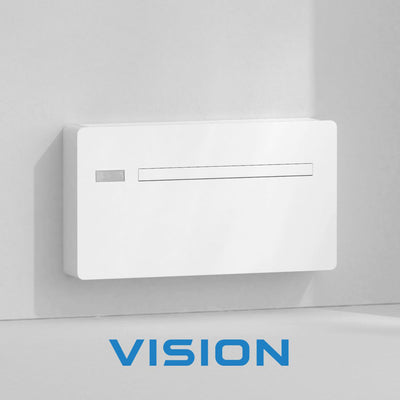
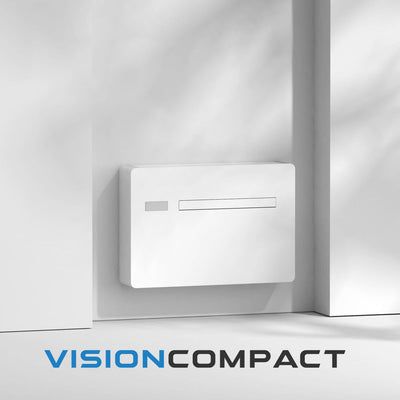
DIY air conditioning typically refers to systems that can be installed without specialist tools or certification. This often includes portable units or certain plug and play systems that do not require complex setup.
These systems are usually designed for simplicity. You position the unit, connect basic components and start using it straight away.
For smaller spaces or temporary cooling, DIY options can be a quick and convenient solution.
What is professional air conditioning installation?
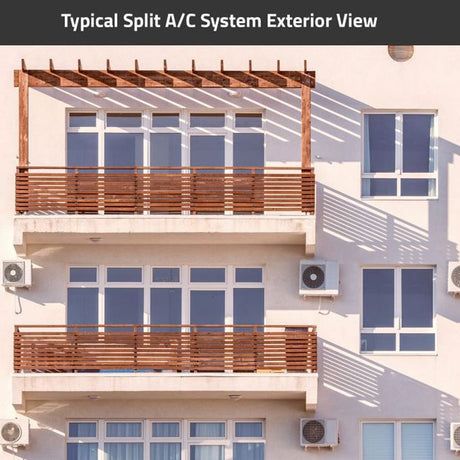
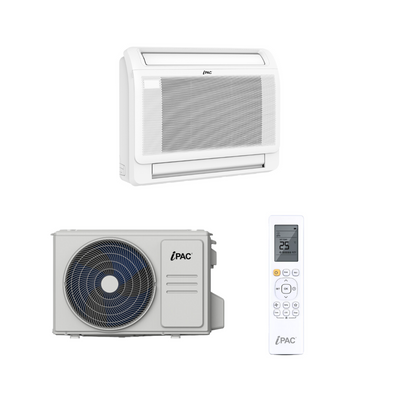
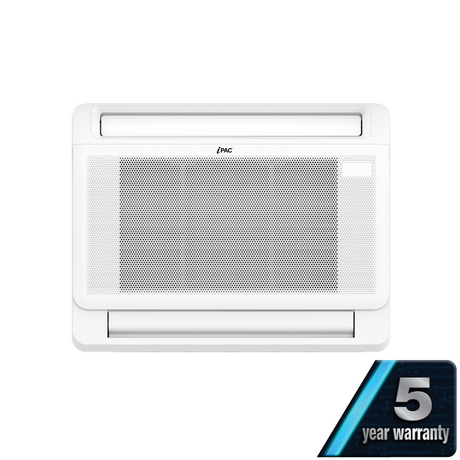
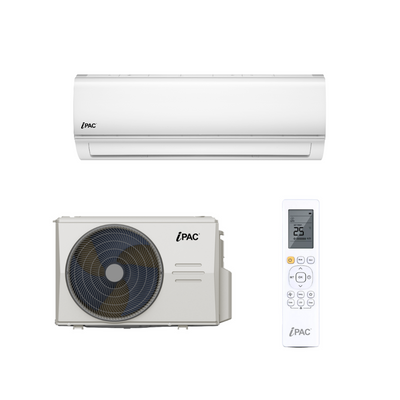
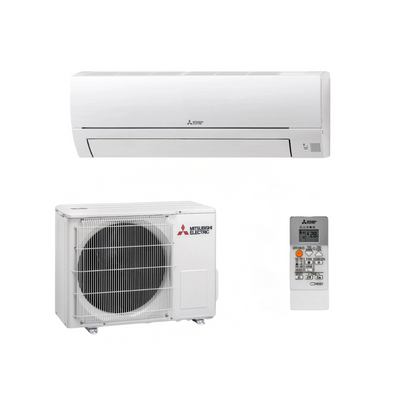
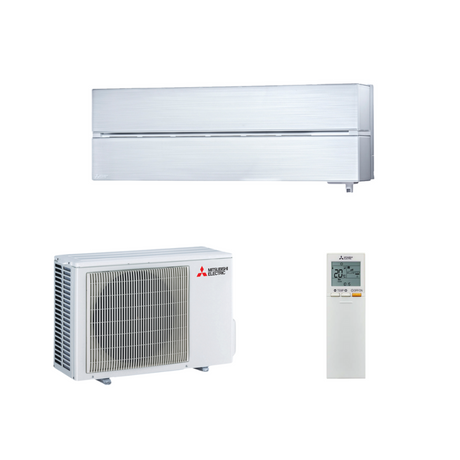
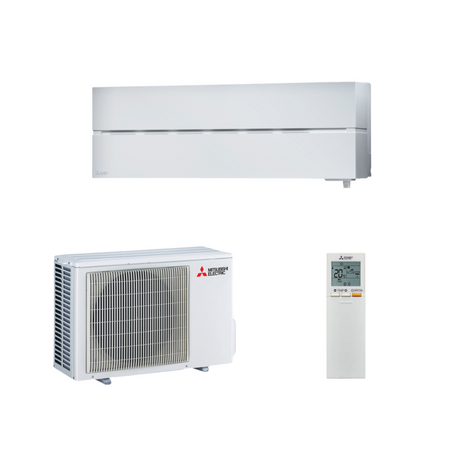
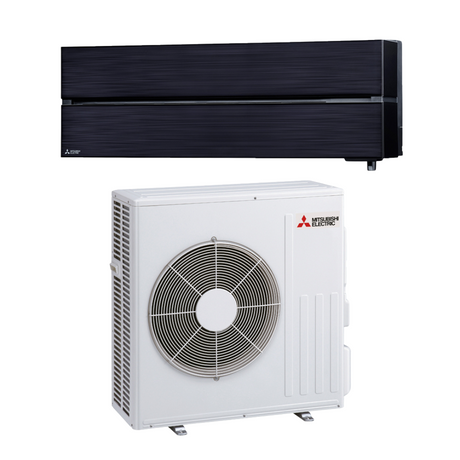
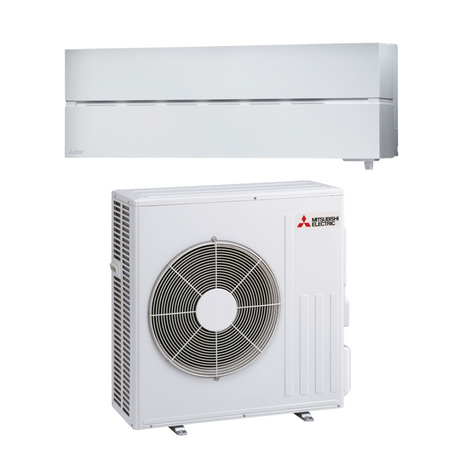
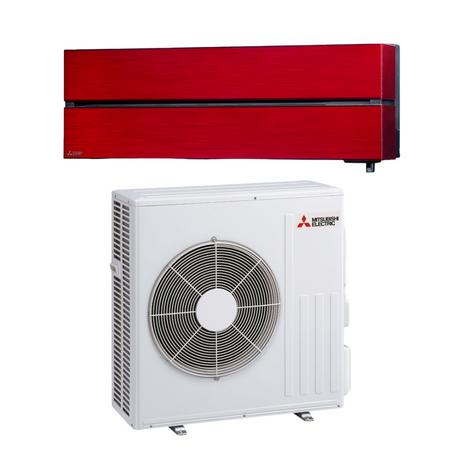
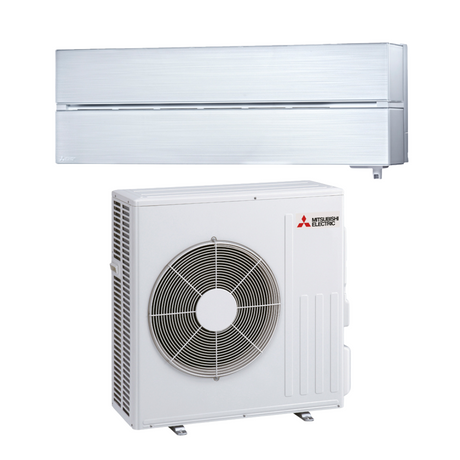
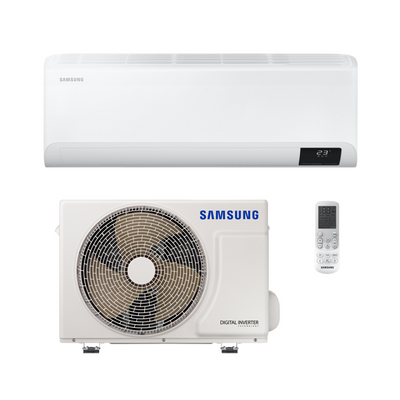
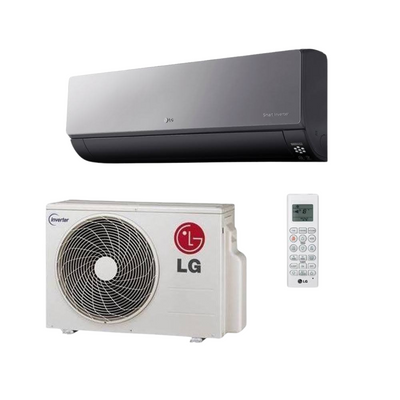
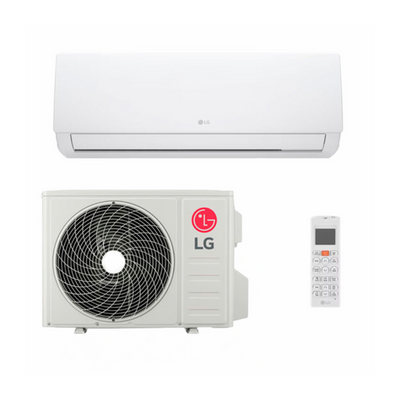
Professional installation involves a qualified engineer fitting a fixed system, such as a wall mounted or multi split air conditioning unit. This includes mounting the indoor unit, installing the outdoor condenser, running pipework and ensuring everything is safely connected and tested.
If you are considering a permanent system, professional air conditioning installation ensures the system is correctly sized, positioned and installed for long term performance.
Upfront cost comparison
DIY systems are generally cheaper to purchase. Portable units or basic systems can cost significantly less than a full installed setup.
Professional systems involve both equipment and labour costs. The total price will depend on the size of the system, the number of rooms and the complexity of the installation.
While DIY looks more affordable initially, it is important to consider what you are getting in terms of performance and longevity.
Performance and efficiency
DIY systems tend to be less powerful and less efficient than professionally installed systems. They are suitable for smaller areas but may struggle in larger rooms or during peak summer temperatures.
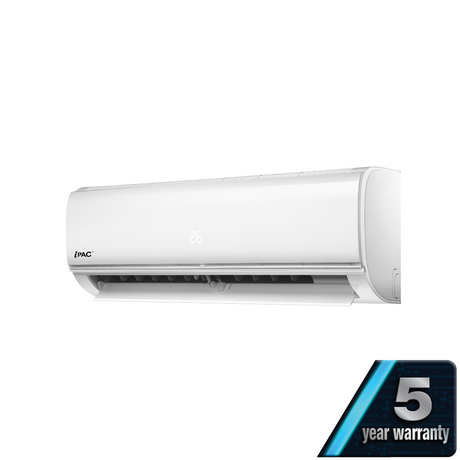
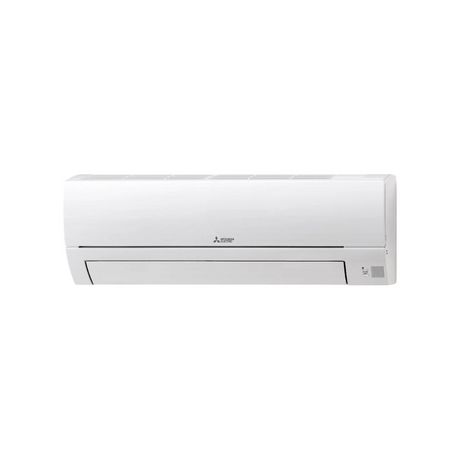
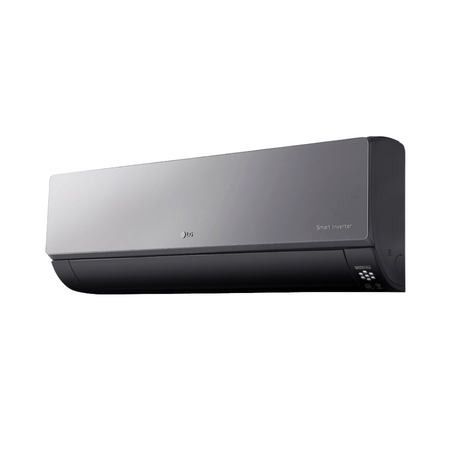
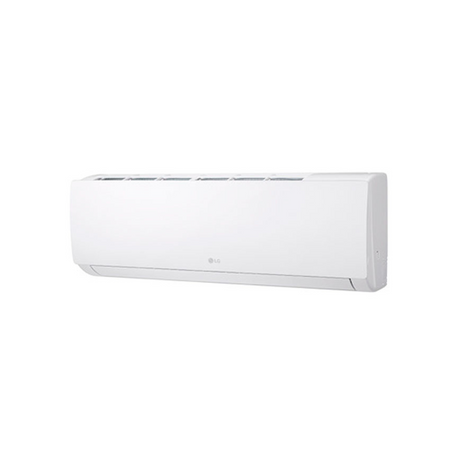
Professionally installed systems, such as wall mounted air conditioning units, are designed to deliver consistent cooling and heating across the space. They are also more energy efficient, particularly over long periods of use.
If you are cooling multiple rooms or larger areas, systems like multi split air conditioning systems provide a much more effective solution.
Installation complexity
DIY systems are straightforward by design. Most can be set up without specialist knowledge, making them appealing for quick solutions.
Professional installation is more complex, but this complexity ensures the system works properly. Factors like pipe length, unit positioning and airflow direction all affect performance.
Incorrect installation can reduce efficiency, increase running costs and shorten the lifespan of the system.
Running costs over time
Running costs are often overlooked when comparing DIY and professional systems.
DIY units can be less efficient, meaning they may use more electricity to achieve the same level of cooling. Over time, this can increase your energy bills.
Professionally installed systems are designed for efficiency, often using inverter technology to maintain temperature without constant power spikes.
If you are using air conditioning regularly, the difference in running costs can become significant.
Noise and comfort
Noise levels can vary greatly between DIY and professionally installed systems.
Portable and DIY units are often noisier because all components are contained within a single unit inside the room.
Professionally installed systems separate the noisy components into an outdoor unit, resulting in much quieter indoor operation. This makes a noticeable difference in spaces like bedrooms or home offices.
If comfort is a priority, especially for sleeping, it is worth exploring bedroom air conditioning options designed for quiet performance.
Flexibility and aesthetics
DIY systems are usually more visible and can take up floor space. They may also require window access for venting, which can affect how the room looks and functions.
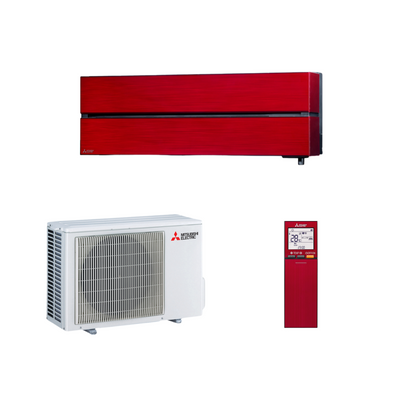
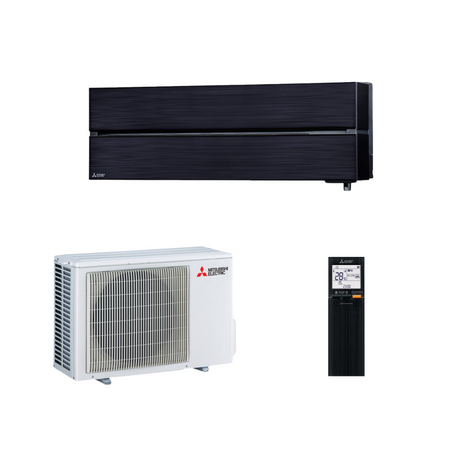
Professionally installed systems are more discreet. High wall units sit out of the way, while other options can be integrated into the room layout more seamlessly.
For larger or shared spaces, browsing living room air conditioning can give a better idea of how different systems fit into real home environments.
Long term value
DIY air conditioning can be a good short term solution, particularly if you need something quickly or for occasional use.
However, professionally installed systems tend to offer better long term value. They are more durable, more efficient and can add to the overall comfort and usability of your home throughout the year.
Many systems also provide heating as well as cooling, making them useful beyond the summer months.
Which option is right for you?
The right choice depends on your needs, budget and how you plan to use the system.
DIY air conditioning may be the better option if:
- You need a quick, temporary solution
- You are cooling a small space
- You want a lower upfront cost
Professional installation may be the better option if:
- You want a permanent, long term solution
- You are cooling larger rooms or multiple spaces
- You value efficiency, quiet operation and overall performance
Both approaches have their place, but they serve different purposes. Understanding the trade offs helps ensure you choose the right system for your home.
If you want to explore your options further, browsing all air conditioning units is a good place to compare what is available and decide which route suits you best.