
After the latest spell of hot weather, many UK homeowners are asking the same question: are we going to have a heatwave every year now?
The honest answer is that no one can promise a heatwave every single summer. The UK weather will always be changeable. But the longer-term trend is clear: UK summers are getting warmer, hot spells are becoming more likely, and more homes are struggling to stay comfortable when temperatures climb.
For anyone who spent the last few hot nights trying to sleep with windows open, fans running and curtains closed all day, this is the moment to think ahead. Not in the middle of the next heatwave, when everyone is panic-buying cooling products, but now — while you still have time to choose the right option properly.
Will the UK have a heatwave every year?
Not necessarily every year, and not always in the same part of the country. A heatwave is not just “a warm day”. The Met Office defines a heatwave as an extended period of hot weather relative to the expected conditions for that area and time of year.
That means a hot spell in London, Manchester, Swansea or Glasgow may be judged differently depending on local conditions. Some summers may bring repeated heatwaves, while others may be more mixed, with shorter bursts of heat broken up by cooler or wetter weather.
However, climate projections suggest the UK is heading towards warmer summers, more hot days and hotter conditions during extreme heat events. The Met Office has also stated that hot conditions are more likely than usual for the UK overall this summer, with an increased chance of heatwave conditions developing at times.
So the better question is not “will there be a heatwave every year?” but:
Is your home ready for hotter summers when they arrive?
Why UK homes feel so uncomfortable in a heatwave
Many UK homes were built to hold onto warmth, not get rid of it. That is useful for cold winters, but it can make homes extremely uncomfortable during long periods of hot weather.
The biggest problems are often:
- Bedrooms overheating at night, making it difficult to sleep
- Lofts, conservatories and garden rooms trapping heat quickly
- Flats and apartments having limited ventilation or no easy space for an outdoor unit
- South-facing rooms becoming too hot during the afternoon and evening
- Home offices becoming uncomfortable during the working day
- Server rooms, shops and workplaces needing reliable cooling for equipment, staff and customers
Fans can help move air around, but they do not actually reduce the temperature in the room. Closing blinds, keeping curtains shut, ventilating at cooler times of day and reducing heat from appliances can all help. But when a room stays hot for days at a time, many people start looking for a proper cooling solution.
Is air conditioning worth it in the UK now?
For many homes, yes — especially if you have already experienced how uncomfortable your property becomes during a heatwave.
Air conditioning used to be seen as something only needed in warmer countries. But that view is changing. More UK homeowners are now looking at air conditioning for bedrooms, loft rooms, home offices, garden rooms, flats and open-plan living spaces.
The key is choosing the right type of system for your property. The best option for a rented flat will not always be the same as the best option for a detached house, a home office or a multi-room family home.
Best air conditioning options for UK heatwaves
There are several ways to cool a UK home, depending on how quickly you need a solution, how many rooms you want to cool and whether you can install an outdoor unit.
1. Portable air conditioning units
Portable air conditioners are often the fastest option if you need to cool one room quickly. They are especially useful for bedrooms, home offices and occasional hot spells.
They usually need a window kit or hose to vent warm air outside, so they are not completely “plug in anywhere”, but they are a practical option when you need flexible cooling without a fixed installation.
Best for: bedrooms, rented homes, home offices, short-term cooling and single-room use.
2. Wall-mounted air conditioning systems
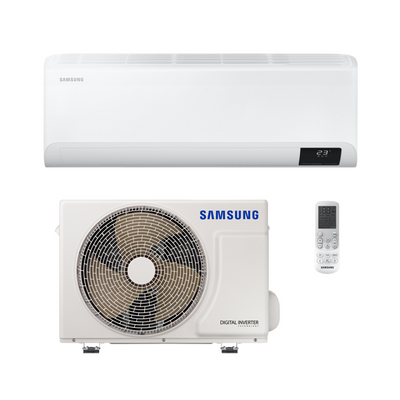
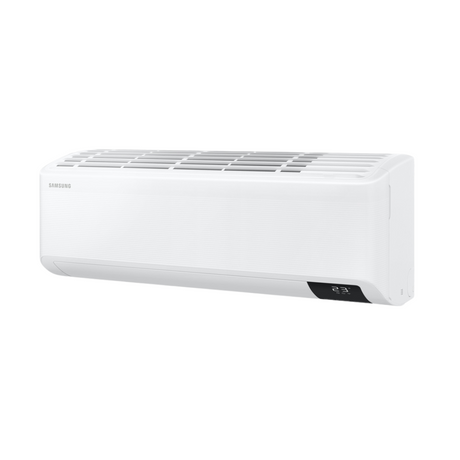
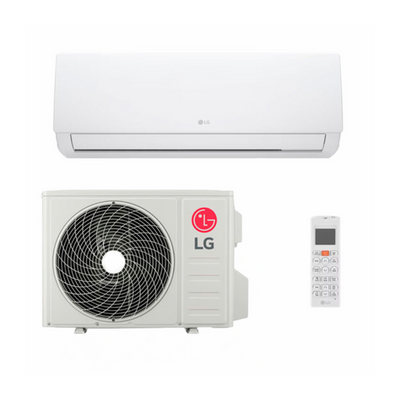
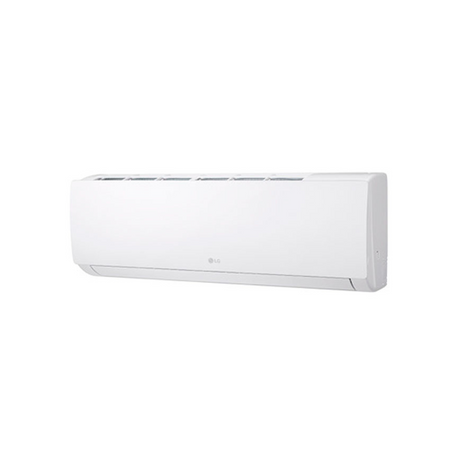
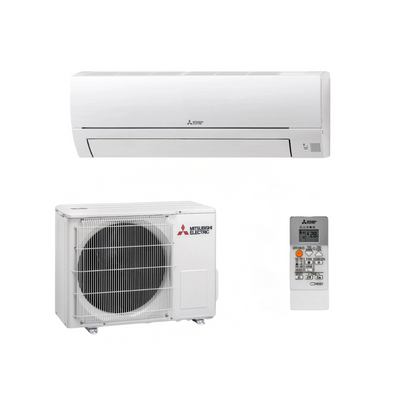
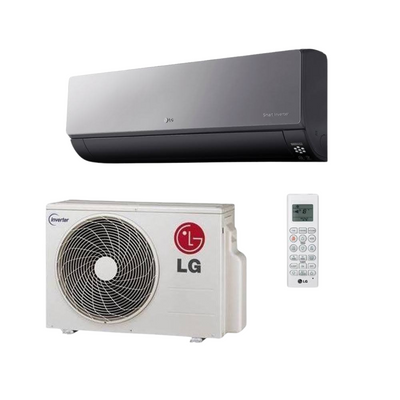
Wall-mounted air conditioning systems, sometimes called high wall air conditioners, are a stronger long-term option. These are the systems many people picture when they think of modern home air conditioning.
They are usually quieter, neater and more efficient than portable units. Many systems can also provide heating in winter, making them useful beyond the summer months.
Best for: bedrooms, living rooms, garden rooms, home offices and long-term home cooling.
3. Easy-fit air conditioning
Easy-fit air conditioning systems are designed to make installation more straightforward than traditional fixed systems. They can be a good option for confident DIY users or homeowners looking for a more accessible way to add fixed cooling.
They are especially popular with customers who want something more permanent than a portable unit but do not want a complicated installation process.
Best for: homeowners looking for a more permanent cooling solution with a simpler installation route.
4. DIY air conditioning systems
DIY air conditioning is one of the fastest-growing areas of the UK market. Search interest has increased as more people look for ways to cool their homes without waiting for installation slots during peak heatwave demand.
These systems are not right for every property, so always check product details carefully before buying. But where suitable, they can be a strong option for people who want fixed cooling without going down the full professional installation route.
Best for: suitable homes, garden rooms, offices, bedrooms and customers comfortable with DIY installation.
5. Multi-split air conditioning
If you want to cool several rooms from one outdoor unit, multi-split air conditioning may be the better option.
Rather than buying several separate systems, a multi-split setup allows multiple indoor units to connect to one outdoor unit. This can be useful for family homes where bedrooms, living spaces and home offices all need cooling.
Best for: larger homes, multiple bedrooms, open-plan spaces and whole-home comfort.
Which rooms should you prioritise?
If your budget does not allow you to cool the whole house at once, focus on the rooms where heat causes the biggest problem.
Bedrooms
If you cannot sleep properly during hot weather, the next day becomes harder. A bedroom is often the first place to consider, especially if it is south-facing, upstairs or in a loft conversion.
See also: Bedroom Cooling & Heating Systems
Home offices
Working from home in a hot room can quickly become uncomfortable. A dedicated cooling system can make a home office much easier to use throughout summer.
See also: Home Office Cooling & Heating Systems
Garden rooms and summer houses
Garden rooms can become extremely hot because they are often exposed to direct sun for long periods. If you use your garden room as an office, gym, studio or spare room, air conditioning can make it usable for more of the year.
See also: Garden Room Cooling & Heating Systems
Living rooms
If your main living area becomes uncomfortable in the late afternoon or evening, a wall-mounted system or larger portable unit may help cool the space more effectively.
Flats and apartments
Flats can be more complicated because of leasehold rules, external walls, balconies and outdoor unit restrictions. In these cases, portable air conditioning, water-cooled systems or landlord-friendly options may be worth exploring.
See also: Landlord Friendly Air Conditioning & Heat Pumps
What size air conditioner do you need?
One of the biggest mistakes people make during a heatwave is rushing to buy the first unit available.
Too small, and it may struggle to cool the room. Too large, and it may be more expensive than you need. The right size depends on the room size, ceiling height, insulation, window area, sun exposure and how the room is used.
Before choosing a system, use our guide here:
What Size Air Conditioner Do I Need?
Businesses should prepare too
Heatwaves do not just affect homes. Shops, offices, warehouses and server rooms can all struggle when temperatures rise.
For businesses, cooling is not just about comfort. It can affect staff productivity, customer experience, stock protection and equipment reliability.
- Air Conditioning for Shops & Retail
- Office Cooling & Heating Systems
- Warehouse Cooling & Heating Systems
- Server Room Cooling
If your business struggled during the latest hot spell, it is worth planning before the next one arrives.
How to prepare your home before the next heatwave
Here are a few simple steps to take before temperatures rise again:
- Work out which room causes the biggest problem during hot weather
- Measure the room before choosing a cooling system
- Decide whether you need temporary or fixed air conditioning
- Check whether your property can have an outdoor unit
- Think about noise levels if the system is for a bedroom
- Buy before the next heatwave, not during it
- Ask for advice if you are unsure what size or type of system you need
So, will UK summers keep getting hotter?
The UK will still have mixed summers. Some weeks will be wet, mild or unsettled. But the wider trend points towards hotter summers becoming more likely over time, with heatwaves becoming a bigger part of how we think about home comfort.
That does not mean every home needs the same type of air conditioning. But it does mean more homeowners are asking sensible questions:
- How do I keep my bedroom cool at night?
- What is the best air conditioning unit for a UK home?
- Should I choose portable or wall-mounted air conditioning?
- Can I install air conditioning in a flat?
- What size AC unit do I need?
If you found your home too hot during the latest spell of warm weather, now is the time to get ahead of the next one.
Prepare your home for the next hot spell
Explore our most popular air conditioning collections below:
- High Wall Mounted Air Conditioning Systems — a long-term cooling option for bedrooms, living rooms and home offices.
- Easy-Fit Air Conditioning — a more straightforward route to fixed air conditioning.
- DIY Air Conditioning — popular with homeowners looking for a practical installation option.
- Portable Air Conditioners — flexible cooling for single rooms and short-term heatwave relief.
- Multi-Split Air Conditioning — ideal for cooling multiple rooms from one outdoor unit.
Need help choosing?
Not sure which system is right for your home? Contact the CoolEasy team for advice, or start with our air conditioner size guide to work out what capacity you may need.
FAQs
Will the UK have a heatwave every summer?
Not every summer will be the same, but hotter summers and more frequent hot spells are expected to become more common over time. This means more UK homes are likely to need better cooling during periods of extreme heat.
Is air conditioning worth buying in the UK?
Air conditioning can be worth it if your home becomes uncomfortable during hot weather, especially in bedrooms, loft rooms, flats, conservatories, garden rooms and home offices.
What is the best air conditioning for a UK heatwave?
For quick single-room cooling, a portable air conditioner can be useful. For a quieter, more permanent and efficient solution, a wall-mounted or easy-fit air conditioning system may be better.
Can air conditioning also heat my home?
Many modern fixed air conditioning systems are heat pumps, meaning they can provide cooling in summer and heating in winter. Always check the product details before buying.
When is the best time to buy air conditioning?
The best time to buy is before the next heatwave. During hot weather, demand rises quickly and popular units can sell out fast.
What size air conditioner do I need?
The right size depends on your room size, layout, insulation, windows and sun exposure. Use the CoolEasy air conditioner size guide before choosing a system.