
Portable air conditioning units are often the first option people consider when looking to cool their home. They are easy to set up, relatively affordable and do not require permanent installation.
But while they offer convenience, they are not always the best long term solution. Understanding how they compare to fixed systems will help you decide whether a portable unit is right for your needs.
If you are comparing all types of systems, browsing air conditioning units will give you a clearer picture of what is available beyond portable options.
What is a portable air conditioning unit?
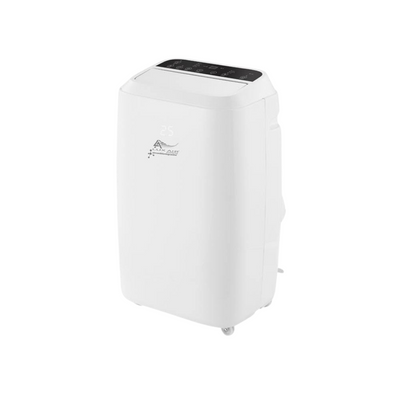
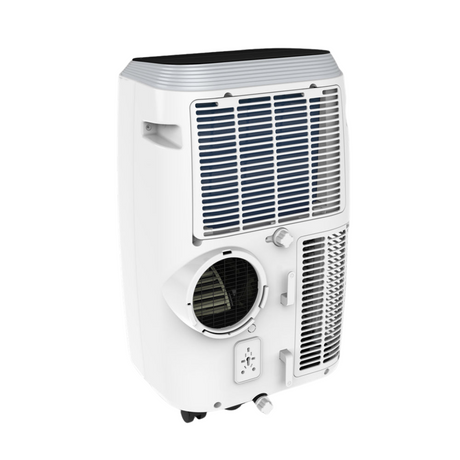
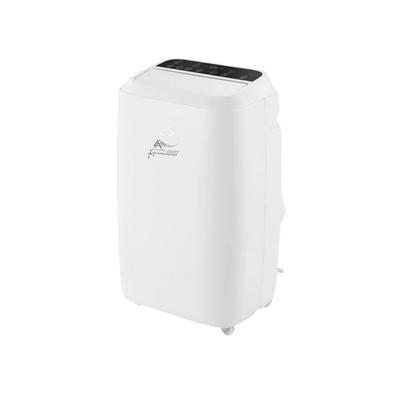
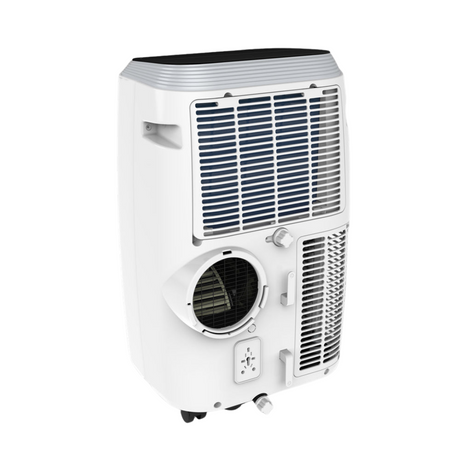
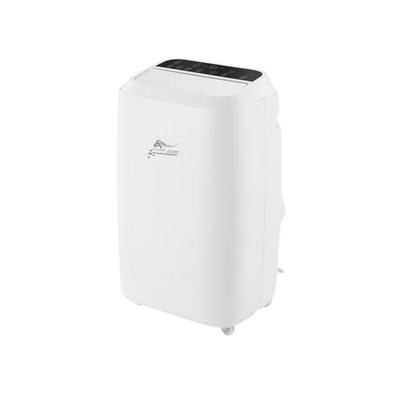
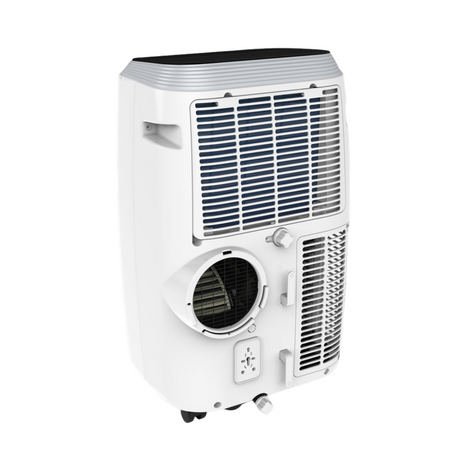
A portable air conditioner is a standalone unit that sits on the floor and vents hot air through a hose, usually out of a window.
They are designed to be moved between rooms and do not require professional installation, making them a popular choice for renters or short term use.
Most models are plug and play, which means you can start using them almost immediately.
How much do portable air conditioners cost?
Portable air conditioning units are typically the cheapest way to get started.
Most units fall between £250 and £700 depending on the size, brand and cooling capacity.
While the upfront cost is lower, it is important to consider performance and running costs over time, especially if you plan to use the system regularly.
How well do portable units work?
Portable units can work well in small spaces, particularly bedrooms or home offices. However, they are generally less powerful than fixed systems.
They struggle more in larger rooms and can take longer to cool a space effectively. Heat loss through the window hose can also reduce efficiency.
If you are trying to cool a larger area, exploring living room air conditioning will give you a better idea of systems designed for bigger spaces.
Noise levels and comfort
One of the main drawbacks of portable air conditioning is noise.
Because all components are contained within the unit, they tend to be louder than fixed systems. This can be noticeable, especially in bedrooms or quiet environments.
If you are looking for a quieter solution, browsing bedroom air conditioning will highlight systems designed specifically for low noise operation.
Installation and setup
Portable units are simple to set up. You position the unit near a window, attach the exhaust hose and plug it in.
However, window venting kits are not always perfect, and warm air can still leak back into the room if the setup is not sealed properly.
Fixed systems require more effort to install, but once fitted, they provide a cleaner and more efficient solution.
Running costs and efficiency
Portable air conditioners are generally less energy efficient than fixed systems.
Because they work harder to cool the room and often lose heat through the hose, they can use more electricity over time.
Modern fixed systems are designed to be more efficient, maintaining temperature with less energy usage.
If you plan to use air conditioning regularly, efficiency becomes an important factor in overall cost.
When a portable unit makes sense
Portable air conditioning can be the right choice in certain situations.
They are ideal if you need a quick solution during a heatwave or want something temporary without committing to installation.
They also work well in rental properties where permanent systems may not be allowed.
For occasional use or smaller spaces, they can provide enough cooling to improve comfort.
When to consider a fixed system instead
If you are looking for a long term solution, a fixed air conditioning system is usually the better option.
Wall mounted systems provide stronger performance, quieter operation and better energy efficiency. They also offer heating as well as cooling, making them useful throughout the year.
If you are comparing options, looking at wall mounted air conditioning units will help you understand the benefits of a permanent setup.
For multiple rooms, multi split air conditioning systems offer a more advanced solution that allows you to control different areas independently.
Portable vs fixed air conditioning
The key difference comes down to convenience versus performance.
Portable units are quick and easy, but they come with limitations in power, efficiency and noise.
Fixed systems require installation, but they deliver better overall performance and long term value.
The right choice depends on how often you plan to use the system and how important comfort, efficiency and aesthetics are to you.
Which should you buy?
If you need a simple, short term solution, a portable air conditioner can do the job.
If you want consistent cooling, quieter operation and better efficiency, a fixed system is likely to be the better investment.
Understanding how each option fits your home will help you make the right decision.
If you want to compare all available options, browsing air conditioning units is the best place to start.